
Funny the Way it Is
I used to hate Dave Matthews.
Not because I had listened to him.
Because I wasn’t supposed to.
I grew up in a Christian school world where the music we consumed was… monitored. Dave Matthews was quietly labeled not okay. I never really knew why, but I trusted it. So I didn’t listen.
And somehow, without ever hearing a song, I decided I didn’t like him.
Years later, I married a guitarist who loved Dave Matthews.
So for the sake of love, I figured I’d tolerate it.
Instead, something unexpected happened.
I learned how to listen.
He taught me how to notice lyrics. How rhythm tells a story. How musicians talk to each other through instruments. I didn’t just start liking Dave Matthews — I started hearing music differently.
To this day, Big Whiskey & the GrooGrux King is one of my favorite albums of all time. If that’s not road trip music, I don’t know what is. No arguing allowed — my car, my rules. 🙂
There’s a song on that album called Funny the Way It Is.
It’s about how two things can be true at the same time.
Somebody’s going hungry and someone else is eating out
One kid walks ten miles to school, another’s dropping out
The older I get, the more those lines feel less like lyrics and more like a diagnosis.
Because that’s the world, isn’t it?
Joy and heartbreak.
Comfort and survival.
Safety and fear.
All existing side by side.
Lately, I’ve felt a quiet kind of grief.
Not political grief.
Not argumentative grief.
Human grief.
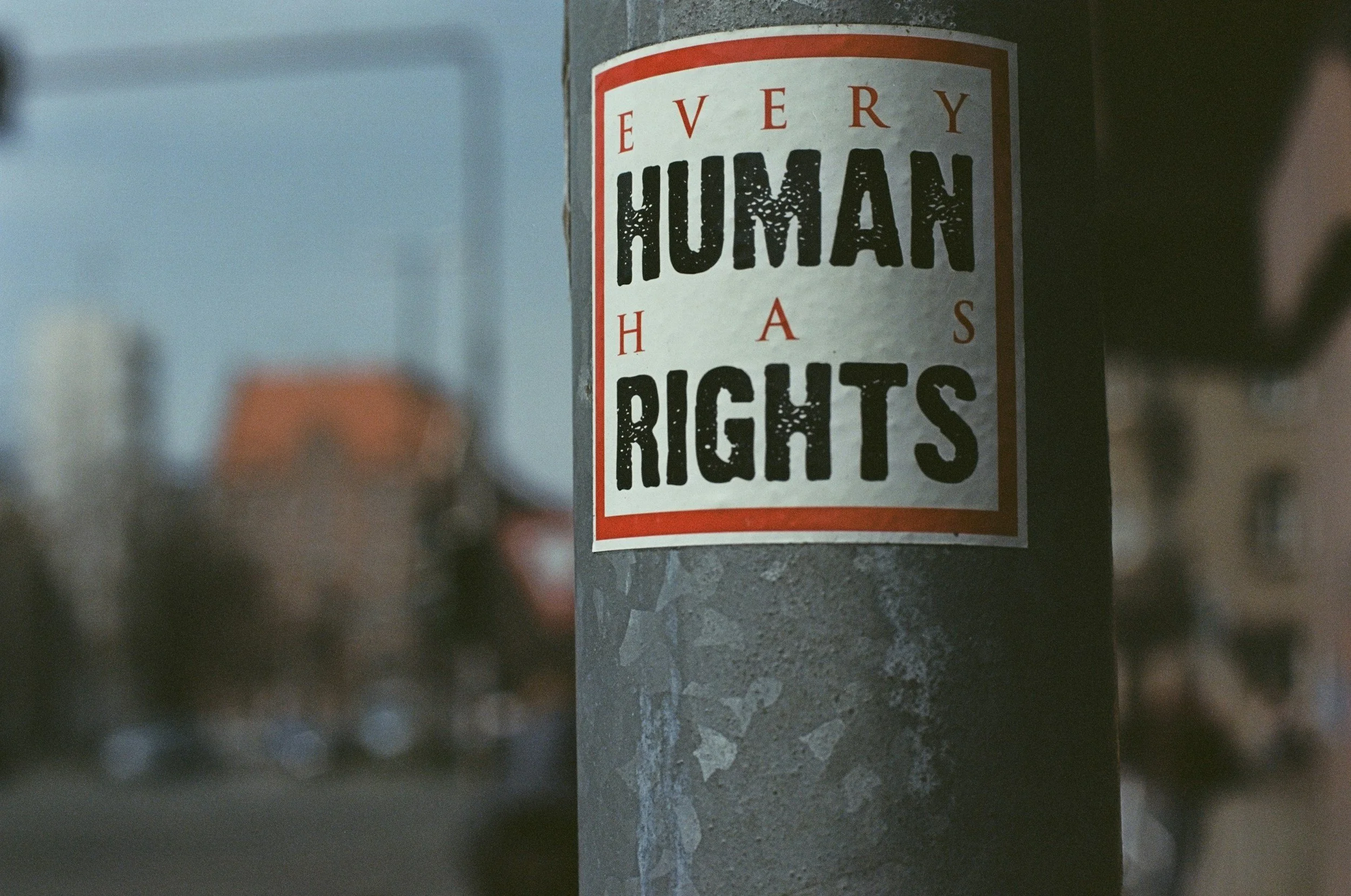
The kind that comes when you notice we’ve slowly stopped seeing people as people.
Somewhere along the way, we started categorizing humans instead of loving them.
“Us.”
“Them.”
“Legal.”
“Illegal.”
“Deserving.”
“Not deserving.”
And the moment we reduce someone to a label, it becomes easier to look away from their humanity.
This doesn’t usually happen all at once. It starts small.
It starts when we convince ourselves that the person in the other car isn’t really a person.
When violence becomes entertainment.
When tragedy becomes “content.”
When we scroll past suffering because it feels too big to hold.
We don’t mean to harden.
But we do.
And then we tell ourselves, Well, I’m a good person. I love my family. I love my friends. I love my neighbors.
But who is our neighbor, really?
Just the people who look like us?
Vote like us?
Pray like us?
Speak like us?
Or is it bigger than that?
Because the older I get, the more I think love gets real when it stretches past comfort.
I learned this in Jamaica.
Before visiting, Jamaica was just a beach destination in my mind. A someday vacation.
Then I went — not to a resort, but to an orphanage.
And now when I hear “Jamaica,” I don’t picture sand.
I picture faces.
Kids I’ve held. Names I know. Stories I carry.
Once you’ve seen someone up close, you can’t unknow them.
When hurricanes hit, I pay attention now. I share updates. I check in. Not because I suddenly have extra money or extra time — I don’t — but because connection changes what you notice.
And what you notice, you care about.
I think that’s how compassion works.
Not grand gestures.
Just proximity.
Just seeing.
But here’s the thing we don’t talk about enough:
Most of us are tired.
We’re stretched thin.
We’re managing jobs, families, bills, grief, healing.
Some days we’re barely holding ourselves together.
So when we see something overwhelming happening in the world, it feels easier to do nothing.
And if that’s you sometimes?
You’re not heartless.
You’re human.
You can’t pour from an empty cup.
But I also think we’ve been lied to a little.
We’ve been told that if we can’t do something big, it doesn’t matter.
That if we can’t fix everything, we shouldn’t try anything.
And that’s just not true.
Small things count.
Sharing information counts.
Checking on someone counts.
Using your voice counts.
Signing your name counts.
Calling your representative counts.
Praying counts.
Paying attention counts.
Even simply refusing to dehumanize someone counts.
Especially now.
Especially when families are scared.
When children are separated from parents.
When neighbors feel unsafe in their own communities.
You don’t have to debate policy to care about people.
You don’t have to be loud to be loving.
Sometimes standing against harm just looks like saying,
“Hey — these are humans. They matter.”
That’s it.
That’s the whole posture.
Keep your eyes open.
Stay soft.
Do the small thing in front of you.
Because while someone is eating out, someone else is going hungry.
While someone feels safe, someone else is afraid.
Funny the way it is.
Keep Reading
If this resonated, you might also enjoy:
→ God and I Are at an Impasse – learning to sit with doubt instead of certainty
→ The Questions We Ask – what grief taught me about compassion
→ Separation – why connection matters more than we think
